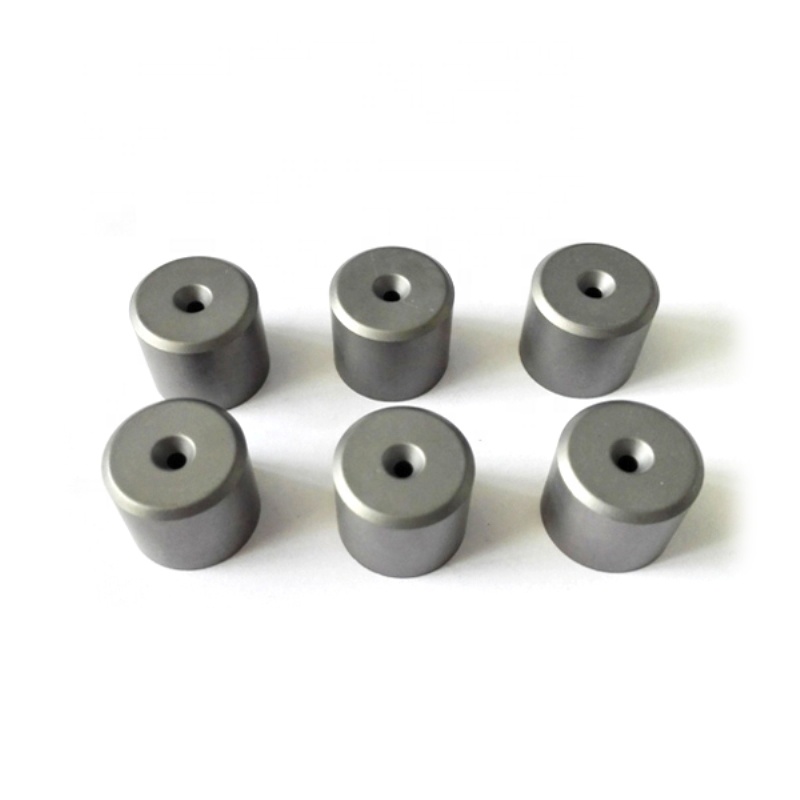
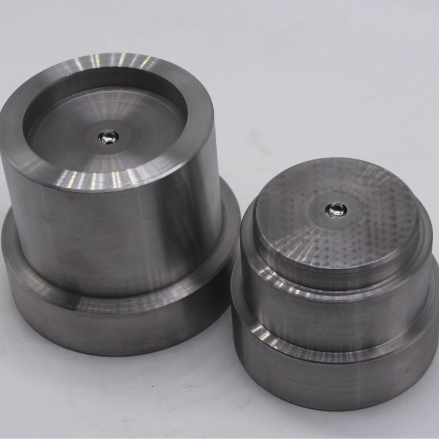
**Advancements in Tungsten Carbide Cold Heading Dies Elevate Cold Forging Industry Standards**The cold forging industry continues to witness significant advancements, largely driven by innovations in tooling materials and manufacturing precision. Among these, tungsten carbide cold heading dies have emerged as a pivotal component, enhancing efficiency, durability, and product quality in cold heading processes. As the demand for high-performance cold forging dies grows, manufacturers specializing in tungsten carbide tooling are playing an increasingly vital role in meeting industry needs.**The Role of Tungsten Carbide in Cold Heading Dies**Cold heading is a critical metal forming process used to produce fasteners, connectors, and various precise metal components by shaping metal at room temperature. The tooling used in this process, especially dies and punches, must withstand immense pressure and repeated use without degradation. Tungsten carbide, a compound known for its exceptional hardness and wear resistance, has become the material of choice for cold heading dies.Tungsten carbide cold heading dies offer unmatched durability, significantly extending the lifespan of tooling compared to traditional steel dies. This hardness translates into increased production rates and improved dimensional consistency of parts, which are vital for maintaining quality standards in automotive, aerospace, electronics, and construction industries.**Cold Heading Dies for Tungsten Carbide: Precision and Performance**Manufacturers of cold heading dies focus on producing components that combine toughness with precision. Tungsten carbide cold heading dies are meticulously engineered to deliver not only superior wear resistance but also precise micro-geometry that ensures tight tolerance and flawless part shapes.The intricate design of carbide dies addresses common cold forging challenges such as friction, heat generation, and deformation. By minimizing die wear and maintaining optimal surface finishes, tungsten carbide tooling ensures that the dimensional accuracy of parts remains consistent throughout high-volume production runs.**Carbide Tooling for Cold Heading: Innovation in Material Science**The evolution of carbide tooling is rooted in material science innovations that optimize grain size, binder content, and thermal treatments to tailor performance characteristics. Advances in manufacturing technologies such as powder metallurgy and precision grinding have enabled suppliers to produce carbide dies with enhanced toughness and improved resistance to sudden impacts.These improvements facilitate the manufacture of heading punches and dies capable of handling complex shapes and demanding production cycles. Additionally, developments in coating technologies, such as diamond-like carbon (DLC) and titanium nitride (TiN) coatings, further boost die longevity by reducing friction and preventing galling during cold forging operations.**Tungsten Carbide Heading Punches: Strength Meets Accuracy**Heading punches made from tungsten carbide play a crucial role in shaping metal blanks into finished components. Their inherent hardness allows them to withstand repeated mechanical stresses without significant wear or deformation. The precision machining of these punches ensures that each cold forged part meets stringent industry standards for form and fit.The resilience of tungsten carbide punches reduces downtime associated with tool changes and maintenance, thereby improving overall production efficiency. Manufacturers benefit from lower operating costs and higher throughput when employing these robust tools in their cold heading lines.**Cold Forging Die Suppliers: Meeting Market Demands**Suppliers specializing in cold forging dies are responding to growing market demands by offering customized tungsten carbide tooling solutions. These suppliers leverage advanced CAD/CAM technologies and automation to design dies tailored to specific client requirements, enabling flexible manufacturing of components across various industries.In addition to standard dies and punches, many suppliers provide consulting services to optimize tooling design based on the specific metal materials and production goals of their customers. This collaboration results in tooling that not only fits existing processes but also drives improvements in part quality and manufacturing speed.**Future Outlook: Sustaining Growth through Innovation**The cold forging industry’s reliance on tungsten carbide tooling is expected to grow as manufacturers pursue cost-effective, high-quality production methods. Continuous innovations in carbide material properties, machining techniques, and surface treatments will further enhance the performance of cold heading dies and punches.As environmental sustainability gains prominence, tungsten carbide tooling’s long service life and the ability to recycle carbide materials contribute to greener manufacturing practices. Moreover, ongoing investments in research and development by cold forging die suppliers promise to deliver even more advanced solutions, enabling manufacturers to push the boundaries of precision metal forming.---*In conclusion, tungsten carbide cold heading dies and punches represent a cornerstone of modern cold forging technology. Their superior hardness, durability, and precision enable manufacturers to produce high-quality metal components efficiently and economically. Through collaborative efforts between tooling suppliers and manufacturers, the industry is poised to harness new material and process innovations, driving continued growth and excellence in cold forging applications worldwide.*
Read More